
The WeedSeekerTM
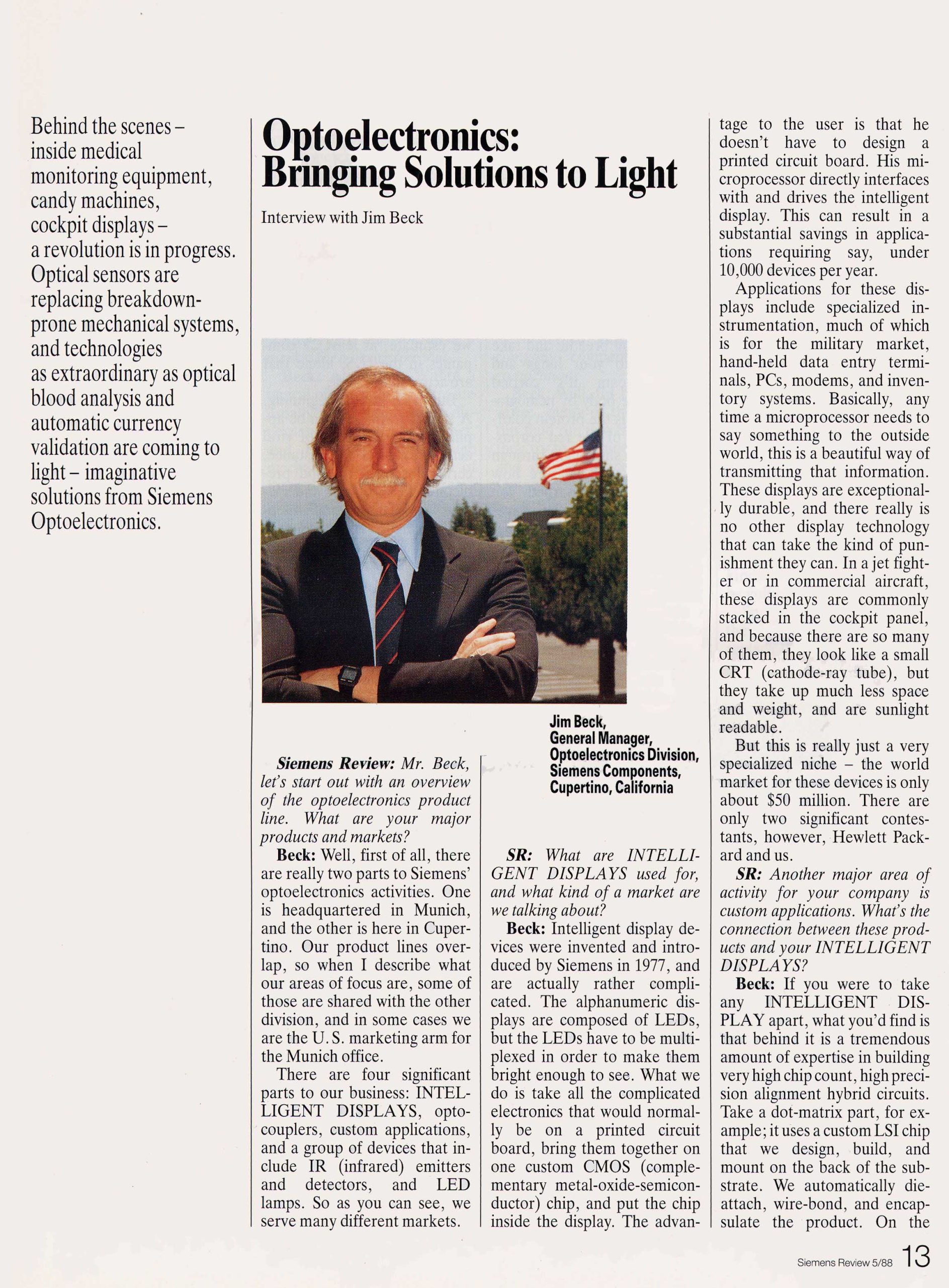
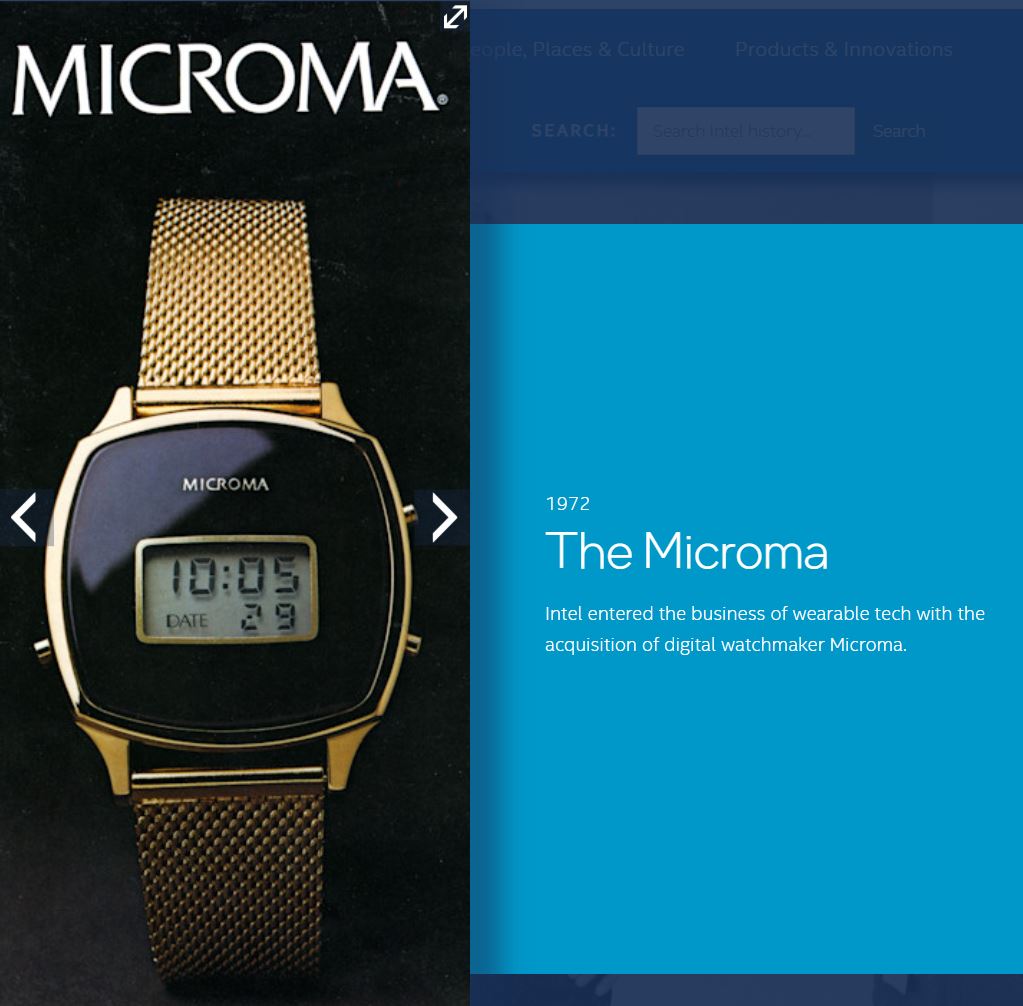
Prior to 1979, virtually all the Pistachios in the world came from Iran. When the hostage crisis unfolded, those spicy little nuts quickly became a scarce commodity. Around the same time, Intel had just purchased Microma, making the founders, including Bob Robson, overnight millionaires. Bob quickly grasped the new opportunity and planted a 400-acre grove of Pistachios near Chowchilla, California[i]This is the town where some nitwits highjacked a school bus and buried it in a farm field with the kids still in it. There was even a movie made about it – “They’ve Taken Our Children: The Chowchilla Kidnapping”..
A few years later, my phone rang in my Engineering office at Siemens. It was my old friend Noel calling to ask if there was a way to optically locate weeds growing in a Pistachio grove. It seems he had been working on a solar collection idea with our mutual friend Bob, the Pistachio farmer, when the subject came up. He thought of me, of course, because my company was known for solving difficult problems by integrating electronics with visible and NIR[ii]Near Infrared is that portion of the solar spectrum just above the Red – 700 nm to 1 micron or so. optical systems. That turned out to be the beginning of a product development venture from “idea” to “finished product”.
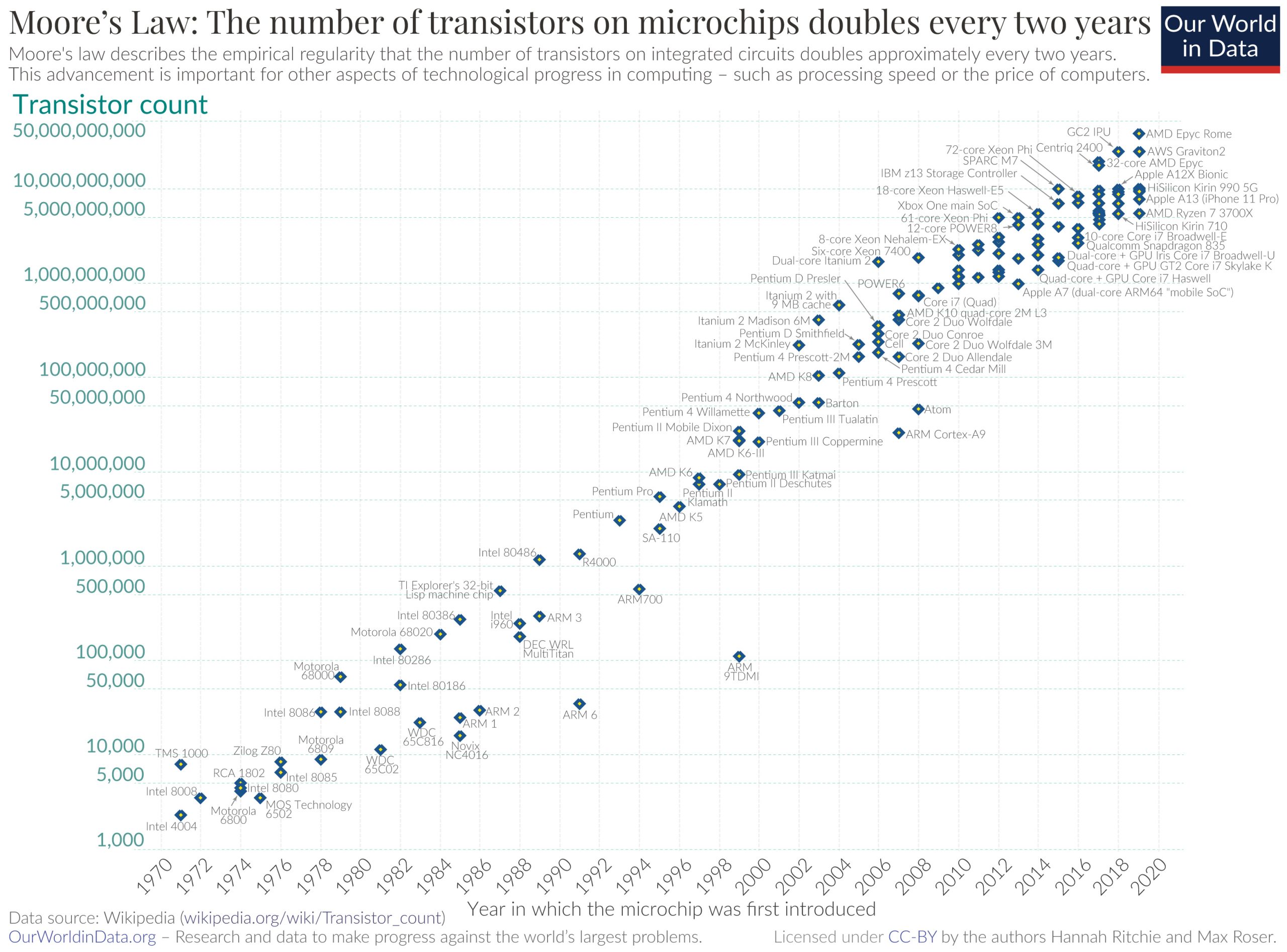
I quickly rejected the leaf morphology approach because, even though there were CCD cameras available with the required image resolution, and the software clearly could be developed, it was clear that the computer horsepower required was not cost-effective at the time and following Moore’s[vi]The term used to refer to the observation made by Gordon Moore in 1965 that the number of transistors in a dense integrated circuit doubles about every two years., it would not seem to be in the foreseeable future.
Research
click to enlarge
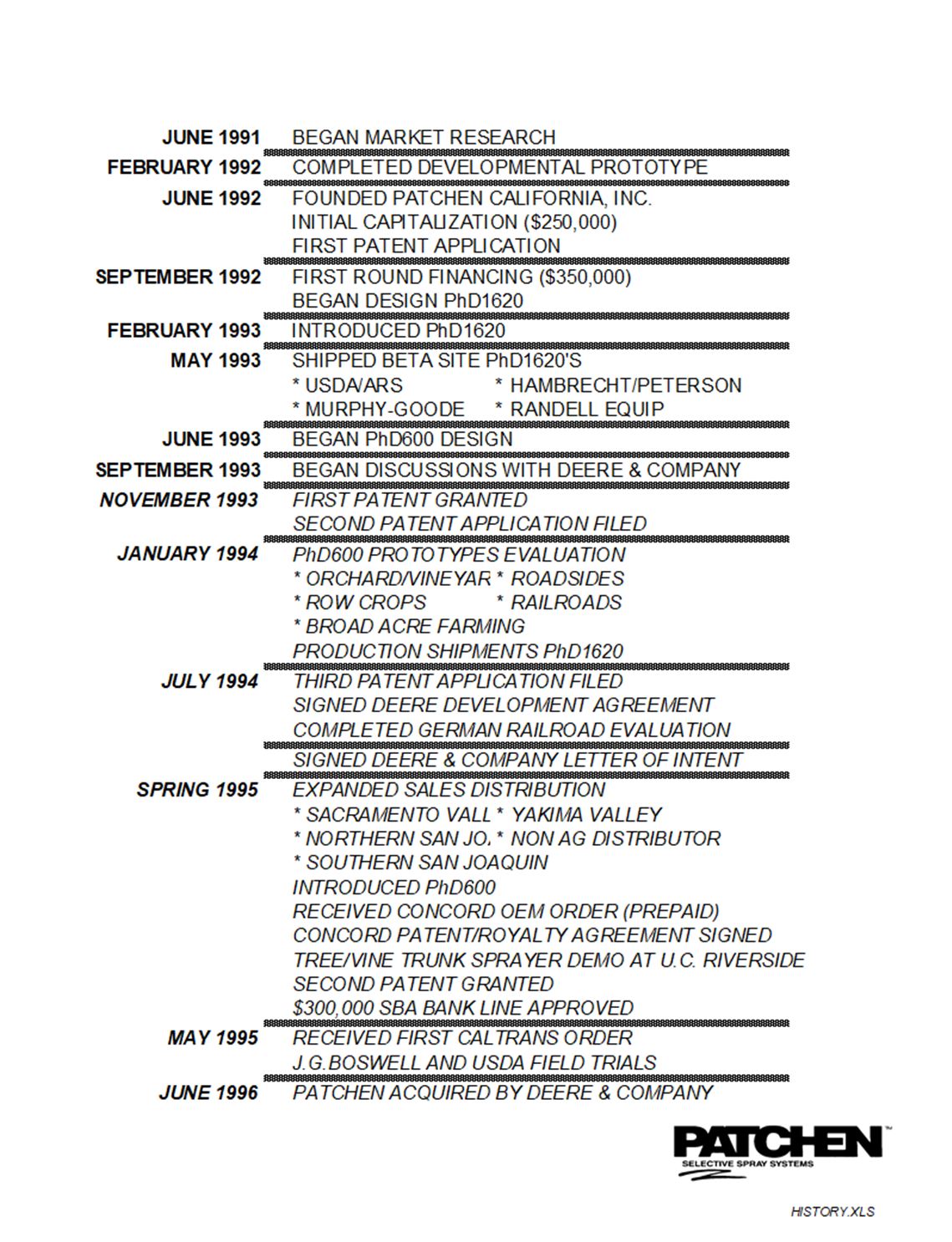
I have never been able to define where “research” ends and “development” begins, or where a “feasibility study” fits in, but a good measure of commitment for entrepreneurs might be to ask, “When should I quit my job to pursue this dream?”. This little chart shows that, even though I had been spending a lot of weekends and late nights on the project for at least a year prior to that time, for me, that point was late 1991.
I recall that prior to leaving my job at Siemens, I hired a technician to build a rather crude prototype that demonstrated the spectral-reflectance concept. I used green and orange LEDs and time-division multiplexed them to synchronize with photodetectors to obtain a figure of merit describing the difference in reflectance between the two wavelengths.
In the early stages, I had been relying on the fact that most weeds are green in color and the bare ground is generally some sort of brown or neutral color, hence the green and orange LED choices above. Somewhat later, my research led me to a paper written by a scientist at the USDA in Washington, DC, which abruptly changed that earlier thinking.
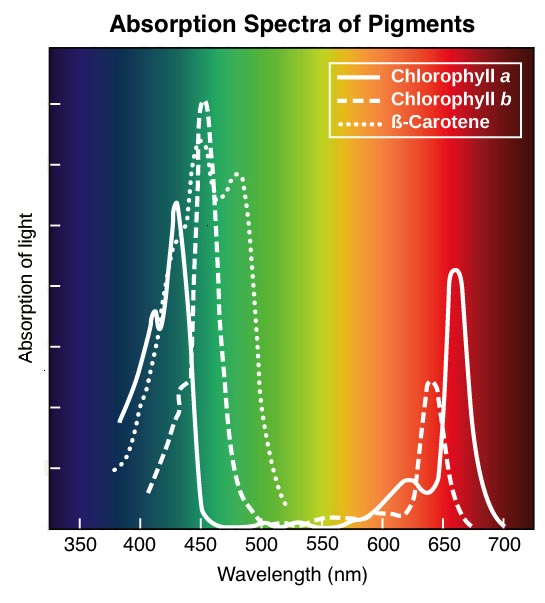 Western governments had much interest in the international market for wheat in those days, and ours had been flying reconnaissance missions over prime growing areas in Russia to estimate future harvest yields, using visible and infrared aerial photography – a sort of false color imaging approach. Prior to that time, I had not given any thought to the photosynthetic spectrum, but it quickly became clear that this would be a far better way to detect weeds. The key being that chlorophyll absorbs light in both the blue part and the red part of the solar spectrum (~450 & ~650 nm), and all growing things [vii]In fact all organic things are good infrared reflectors. Were this not true, no plant could have evolved on Earth’s surface without being able to reflect the sun’s intense infrared radiation.
A finely sanded piece of plywood makes an ideal mirror in the NIR. reflecting strongly in the infrared. If I could optically recognize one or both of those steep slopes in the reflectance curve, the result would be certain identification of a growing plant. It would become clear a year or more later that other slope changes in reflectance would allow us to actually discriminate between plants of different species.
One possibility would be to use the sun as the radiation source and simply measure the reflections through optical filters to measure the change in slope. I quickly disregarded that option because the spectral content of the sun is too variable with the angle of the sun in the sky, and shadows from clouds, buildings, etc.[viii]I learned later that the Australian efforts did exactly that, which doomed their efforts.
Instead, I decided to use banks of LEDs at two important wavelengths. Blue LEDs were not available in those days[ix]InGaN was still in the laboratory., so I picked ~655nm for the red portion of the spectrum and 890 or 940 nm in the NIR because those were the wavelengths being used for other purposes, like visible displays and fiber optics. The sun, of course, is thousands of times brighter than any LED, so a method was needed to isolate the sunlight from these weaker artificial light sources. This would be accomplished by modulating the LEDs in synchrony with photodetectors, so only the LED light would be detected, rejecting the sun’s potential interference.
PhD1620 – Development
The first product was a 16-channel device with a 1-inch diameter active area per channel, so it covered a 16-inch strip of the ground as it swept through a vineyard or orchard. I had not considered row-crops at that point because those fields generally do not produce enough revenue per acre to justify the cost of such equipment. It would become clear after some testing in the fields that 1-inch resolution was overkill and the next product was far less accurate but more cost-effective.
The design challenges were the same for both products, being (1) optics, (2) electronics, and (3) hydraulics. I initially had almost no experience with such a complicated optical system, and I was not totally comfortable with the electronic circuit designs, but I thought the hydraulic part would be a piece of cake. I could not have been more wrong.
The biggest challenge in the (1) optics was that it needed to focus on small spots (1″ for PhD1620 and 6″ for PhD600) and be able to resolve a weed the size of a grape seed. As might have been expected, the first designs didn’t work very well, but we were eventually able to resolve a 1/4″ weed, but still with considerable sun interference.
I originally thought that electrical noise from the tractor would cause major problems with the (2) electronics, so, thinking there was no phase-coherent electrical noise around a farm, I devised an elegant modulation system that would isolate the circuits from the amplitude noise. [x]Years earlier, I had worked on AM/FM car radio circuits, so phase modulation seemed to be a good fit – the “If I am a hammer, everything looks like a nail” syndrome. That turned out to be costly and totally unnecessary, so I eliminated it in favor of a simple time-devision multiplex scheme with emitters sycronized with detectors using common clock signal.
I never imagined at the time that the (3) hydraulics would be as difficult as it was. In order to get a few microliters of fluid to fly through the air to hit their target 2 or 3 feet away, with the vehicle traveling at 25 mph, was more difficult than any of us had anticipated. This was one of the major reasons we abandoned the 16-channel device to focus on the PhD600 with its larger spray pattern.
We made it through the first prototype, and it worked – well, it sort of worked. We took it to the Calusa Farm Show early in 1993. Even though the optical system was not accurate, the rest of it functioned well enough that we were able to demonstrate the concept to farmers, who were impressed until we mentioned the $1,000 price tag. It became clear at that point that the PhD1620 would not be going to market, even though I did sell the two prototypes to a vineyard in Napa Valley.
PhD600 – Production
The lessons learned from the PhD1620, quickly led us to a smaller and less expensive device. The compromise was not in the smallness of weeds that could be detected but rather in the size of the spray pattern directed at them. Instead of a 1-inch diameter spray pattern, we decided on a more cost effective eliptical pattern of 2 by 6 inches. We could eventually sell such a device in the $100 to $200 price range, which at that time fit nicely in orchards or vineyards, and even in row crops like corn and soybeans.
Market Acceptance & Production Ramp Up
Having finished the PhD600 design, it was time to tool it up and go to production. That would require considerable capital investment, so it was time to bring in some outside investors. Doing that was not as difficult as I had thought because the prototypes worked as designed, and the cost-saving benefit became immediately appearant to farmers.
Wine vineyards were the first target market because their profit margin per acre was the highest. Being within driving distance of the biggest wine makers in the country made that a relatively easy market to penetrate. After demonstrating good success with some of the boutique wineries, we were able to successfully approach Gallo, which provided us with the sales volume needed to raise outside capital. The credibility of spraying railroad tracks in Germany and the success of a government contract with Caltrans also helped sell the credibility of the product.
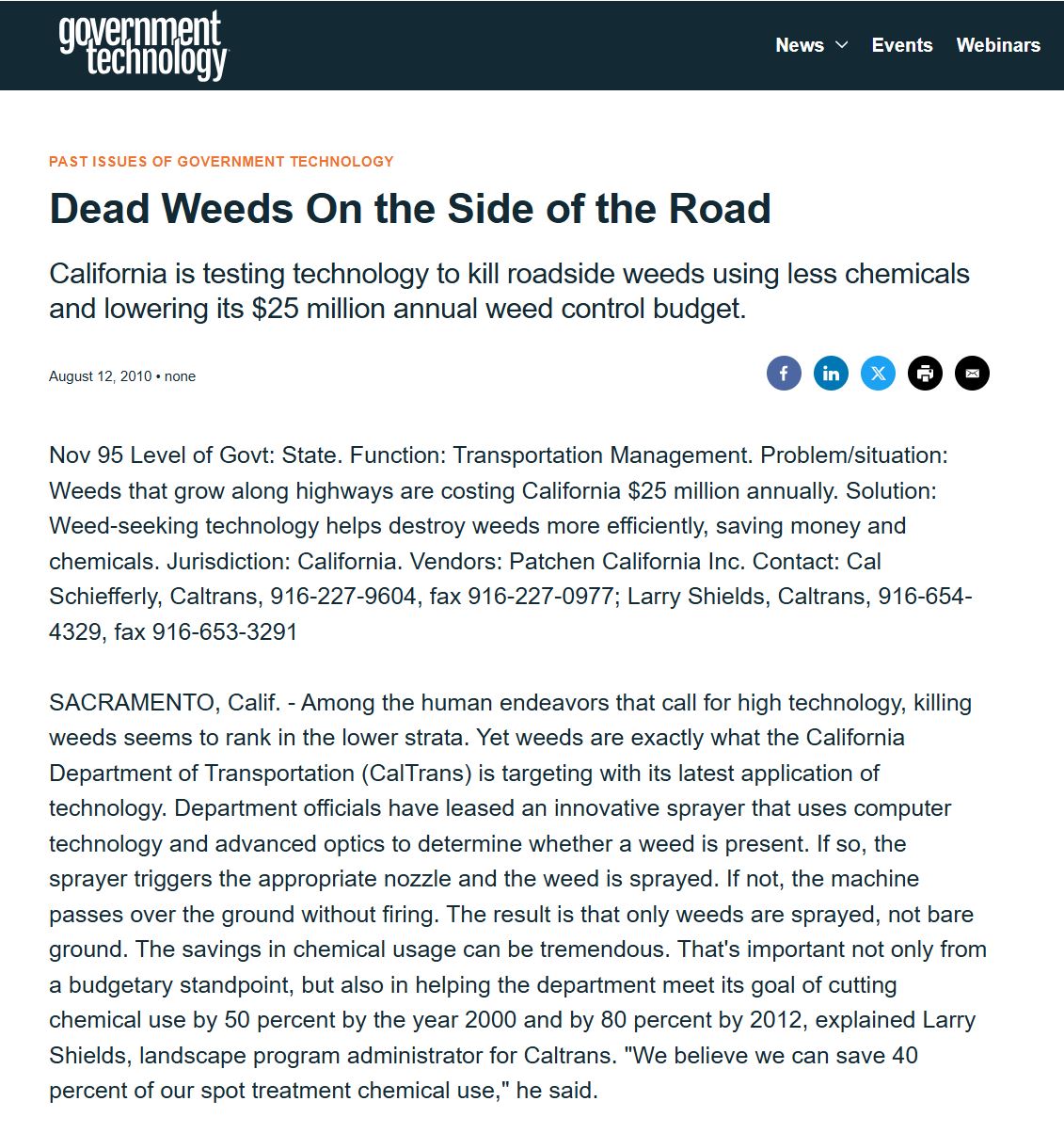
Early in the development cycle, I had visited the USDA offices in Washington, DC, to learn about their work in evaluating the wheat crop yields in Russia. They introduced me to James Hanks at their Advanced Research Service in Stoneville, MS, where, with Hanks’ help, I was able to win a development contract to study the “spectral reflectance” of weeds and crop plants. An additional development agreement with J G Boswell, the largest irrigated land farmer in the world, to eliminate Dodder from their safflower fields, and another contract with John Deere for a custom product, put me near the top of what I needed for the production tooling needed.
I then sold stock to a handful of people, mostly from the Ag industry, to raise the rest of the capital needed, and we went into production at the barn at Patchen. With the help of a half dozen sales reps, mostly in the central valleys of California, we sold a few hundred units, which put the company in a position to be acquired.
Acquisition
I never had any desire to turn this into a manufacturing company. I had just left a position at Siemens, managing a couple of hundred professional people in California, plus a factory in Penang with a couple of thousand workers. That experience taught me that being a CEO was not my cup of tea. The original plan had always been to develop the technology and demonstrate that customers would buy it, so the time was approaching to find an acquisition partner.
Minimizing the use of herbicide of course, is a noble goal in most minds, but not in the best interest of everyone involved. When I approached Monsanto, the makers of Roundup at that time, they showed initial interest but quickly decided that they wanted nothing to do with a technology that would reduce the size of their chemical market. Similarly, the European chemical manufacturers backed away promptly as soon as they understood the implications.
I already had a list of potential suitors, so I brought in Cesar Vasquez to bring each of those CEO to the table. He did that quite successfully, and with a lot of help from Jerry Crowley, we sold the company to John Deere in 1995.

Fast Forward A Few Decades
The major competition for the use of herbicides in row-crop farming (corn, soybeans, cotton, etc.) is dragging huge steel cultivators through the fields with large tractors. Of course, Deere is the world’s largest manufacturer of large tractors, so it was no surprise that a few years after the sale, they concluded that the WeedSeeker technology and all of its derivatives were potentially competitive with their own business.
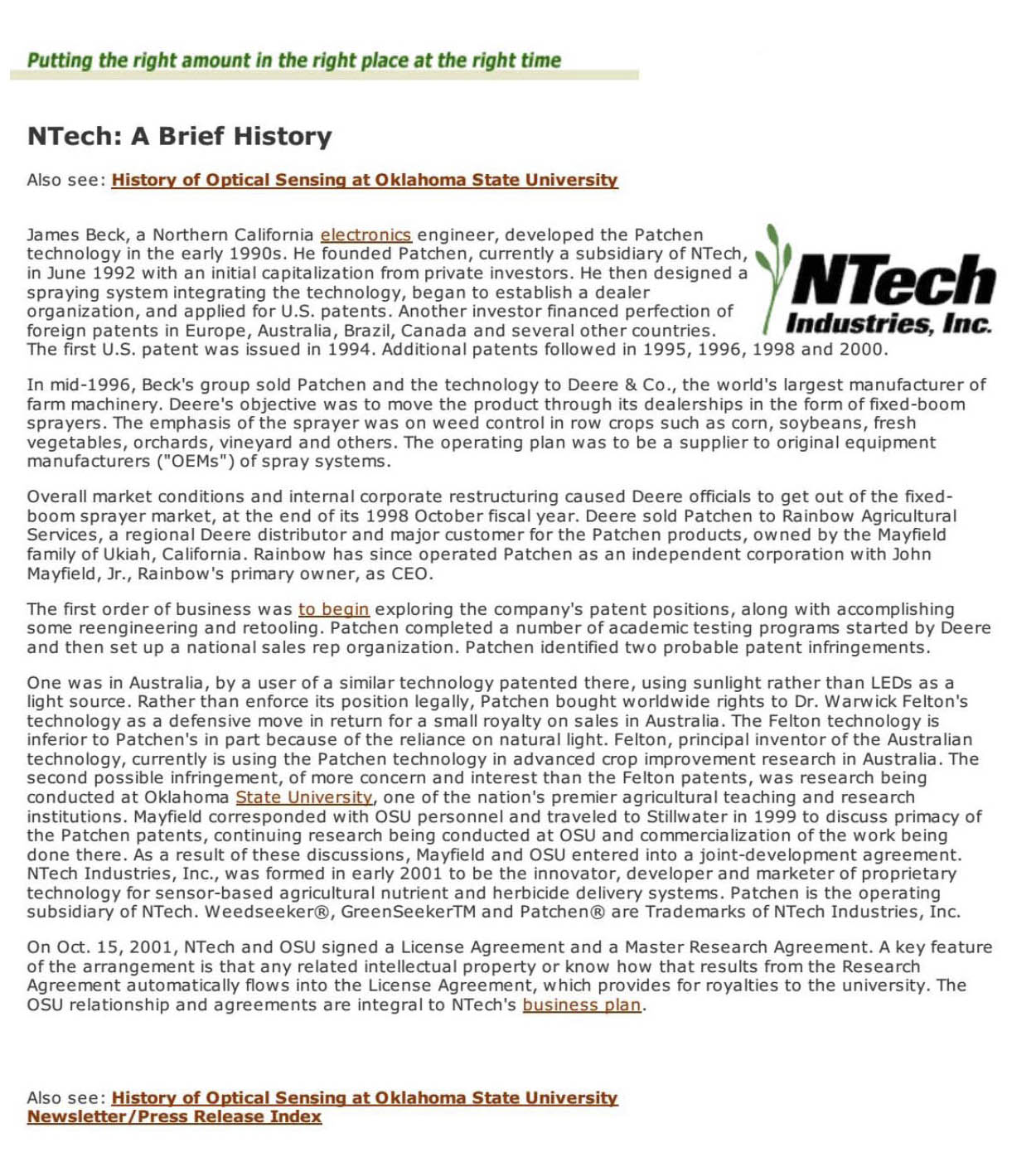
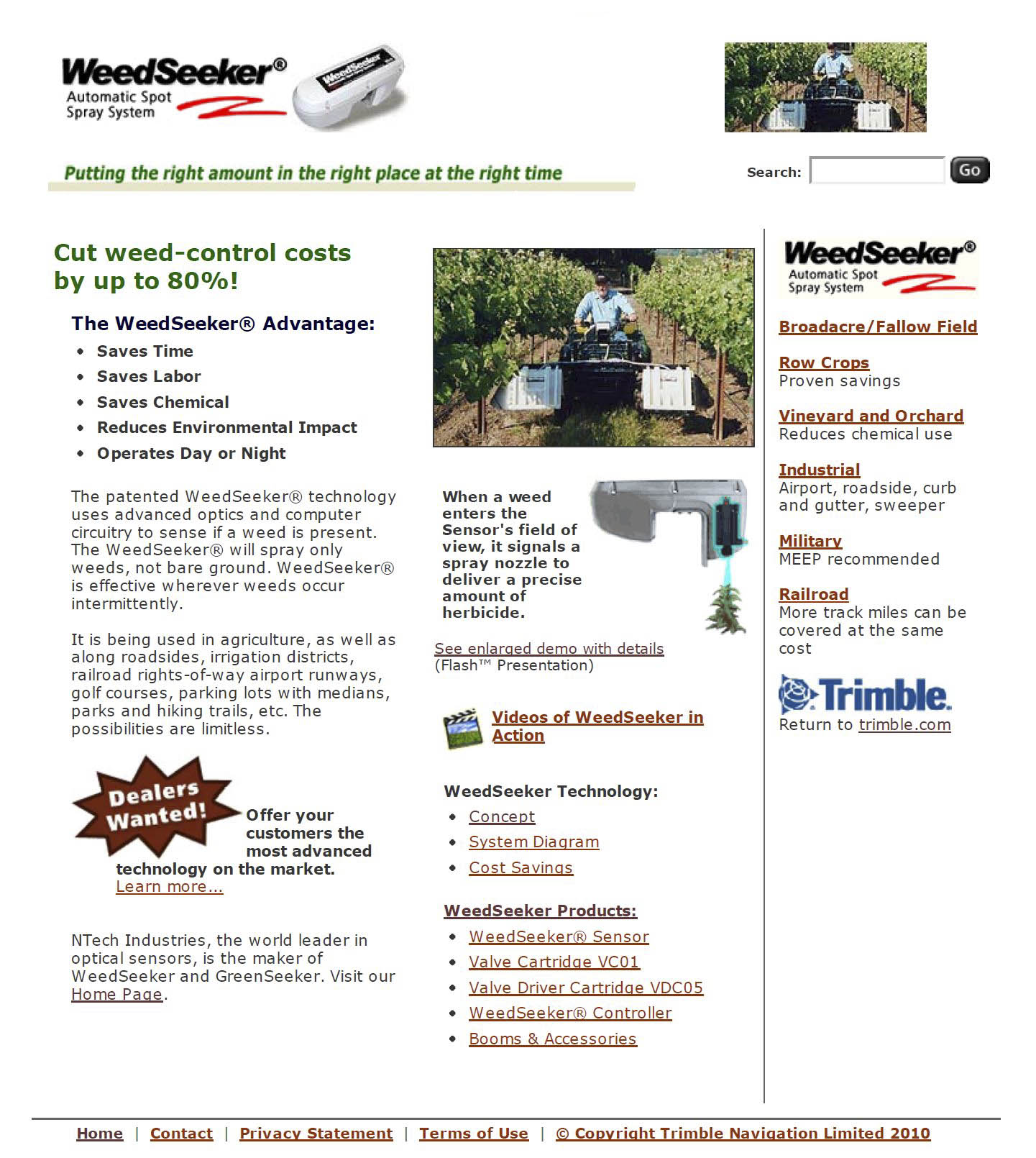
Their attempt to kill the technology was to sell the Company to NTech Industries, one of their largest dealers and a major player in the Northern California orchard/vineyard market. There are virtually no row-crops grown in Northern California, and the terms of the sale limited NTech marketing efforts to roadsides, parks, etc. A few years later, NTech in turn sold it to Trimble Navigation, pioneers of the GPS business, to complement their “precision farming” product line. Recently, it was resold again to PTx, which today sells essentially the same design that I developed over 30 years ago.
By: Jim
Written: January 2022
Published: March 2026
Revised:
footnotes
| ↑i | This is the town where some nitwits highjacked a school bus and buried it in a farm field with the kids still in it. There was even a movie made about it – “They’ve Taken Our Children: The Chowchilla Kidnapping”. |
|---|---|
| ↑ii | Near Infrared is that portion of the solar spectrum just above the Red – 700 nm to 1 micron or so. |
| ↑iii | A wise person once said that more energy has been invested in eliminating weeds than in any other human endeavor. |
| ↑iv | I discovered later, much to my surprise, that there was already considerable work being done in Australia and in a couple of University Ag Engineering labs in this country. |
| ↑v | … analyzing leaf shapes to recognize certain types of plants |
| ↑vi | The term used to refer to the observation made by Gordon Moore in 1965 that the number of transistors in a dense integrated circuit doubles about every two years. |
| ↑vii | In fact all organic things are good infrared reflectors. Were this not true, no plant could have evolved on Earth’s surface without being able to reflect the sun’s intense infrared radiation.
A finely sanded piece of plywood makes an ideal mirror in the NIR. |
| ↑viii | I learned later that the Australian efforts did exactly that, which doomed their efforts. |
| ↑ix | InGaN was still in the laboratory. |
| ↑x | Years earlier, I had worked on AM/FM car radio circuits, so phase modulation seemed to be a good fit – the “If I am a hammer, everything looks like a nail” syndrome. |