Yesterday, I could not even spell the word, but today, I already feel better after having experienced my first one. It feels so good that I am already looking forward to having another. In the past, I had much confusion, thinking that I was responsible for helping the next generation of Americans work smarter, vote smarter, and look at the world rationally.
Every time I drive past the Fretwell building on Main Street in Los Gatos, I am reminded of the lasting Jewish tradition of leaving buildings carrying their family names in limestone and concrete.
Every culture has such traditions intended to leave a lasting impression of its history and accomplishments, whether that be with stone lanterns in Japan, storytelling in native American tribes, or burning paper money in parts of China. The ancient Egyptians might have gone a bit overboard, as did the Mayans, but the desire to leave one’s mark on the world is universal.
King James made a big hit with his Bible, and Al Gore probably still thinks he invented the Internet, but neither can hold a candle to modern politicians who spend taxpayer dollars to put their names on bridges and airports.
Most of us are content to leave a modest nest egg, but often what is more important to us is to know that we have contributed lasting ideas, no matter how insignificant they might seem. Whoever said that imitation is the ultimate compliment might have been imagining, in part by how younger generations can profit from the experiences of their elders.
A.Working smarter
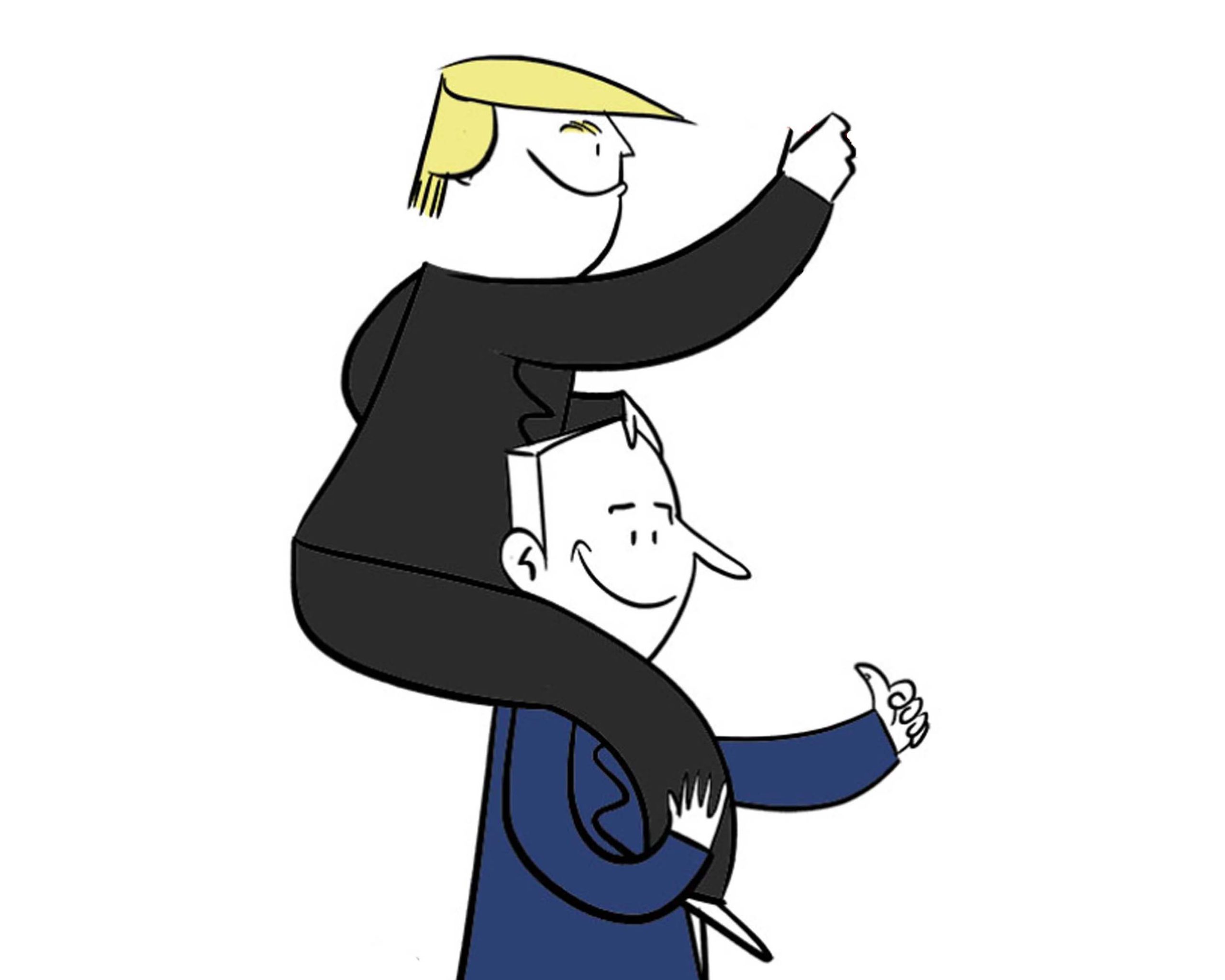
means learning from others who have gone before. Though Newton’s Humility [i]“If I have seen further, it is by standing on the shoulders of Giants” has long since been forgotten, we have plenty of modern giants from science and industry whose shoulders can be stood upon. The best examples are those educated in medicine, the hard sciences, or human psychology, explicitly excluding those in political science, journalism, the law, and those trained in anything offered in the liberal arts department of an Ivy League university.
B.Voting smarter
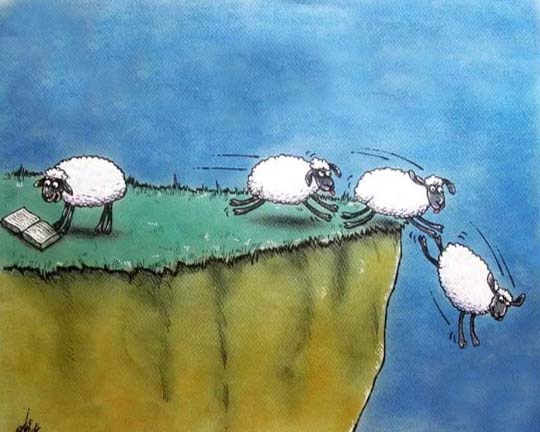
is critical because, at least in the Western countries, voters get what they vote for and what they therefore deserve. What is often missing in the minds of the American electorate is the fundamental premise that the goal of the election is not to measure the popularity of candidates, but rather to select a competent person to lead the Country toward the goals expressed by the majority of the voting citizenry. The need for competency is therefore often overlooked in favor of personality, and the common alternative for voters becomes “barbershop consensus”, which requires no thinking at all.
click here
C. For the Rational Understanding example, I use the most controversial and least understood contemporary issue. Climate change is complicated, but having an opinion does not require an in-depth knowledge of the hard sciences. It requires, instead, the patience to listen carefully to both sides of the argument and to think about those arguments rationally before borrowing an opinion. Do the positions seem logical and reasonable? Do the proponents present data or speculations? Are the “experts” associated with organizations that stand to benefit from their positions? Do they appear sensible, or do they have green hair and piercings in odd places?
.
What has finally come to my attention is that, while I have been worrying about the well-being of others, nobody has been listening to me anyway, and no amount of preaching is likely to change that. So today’s epiphany addresses the three issues above, but by sharing observations, while trying desperately not to make suggestions.
The only countries in the world where people are Working Smarter are those where they are struggling to catch up, which does not include the USA.
The country’s complacent mindset is unlikely to bring about the Voting Smarter needed to adopt the term limits or the balanced budget requirement needed to sustain an effective government.
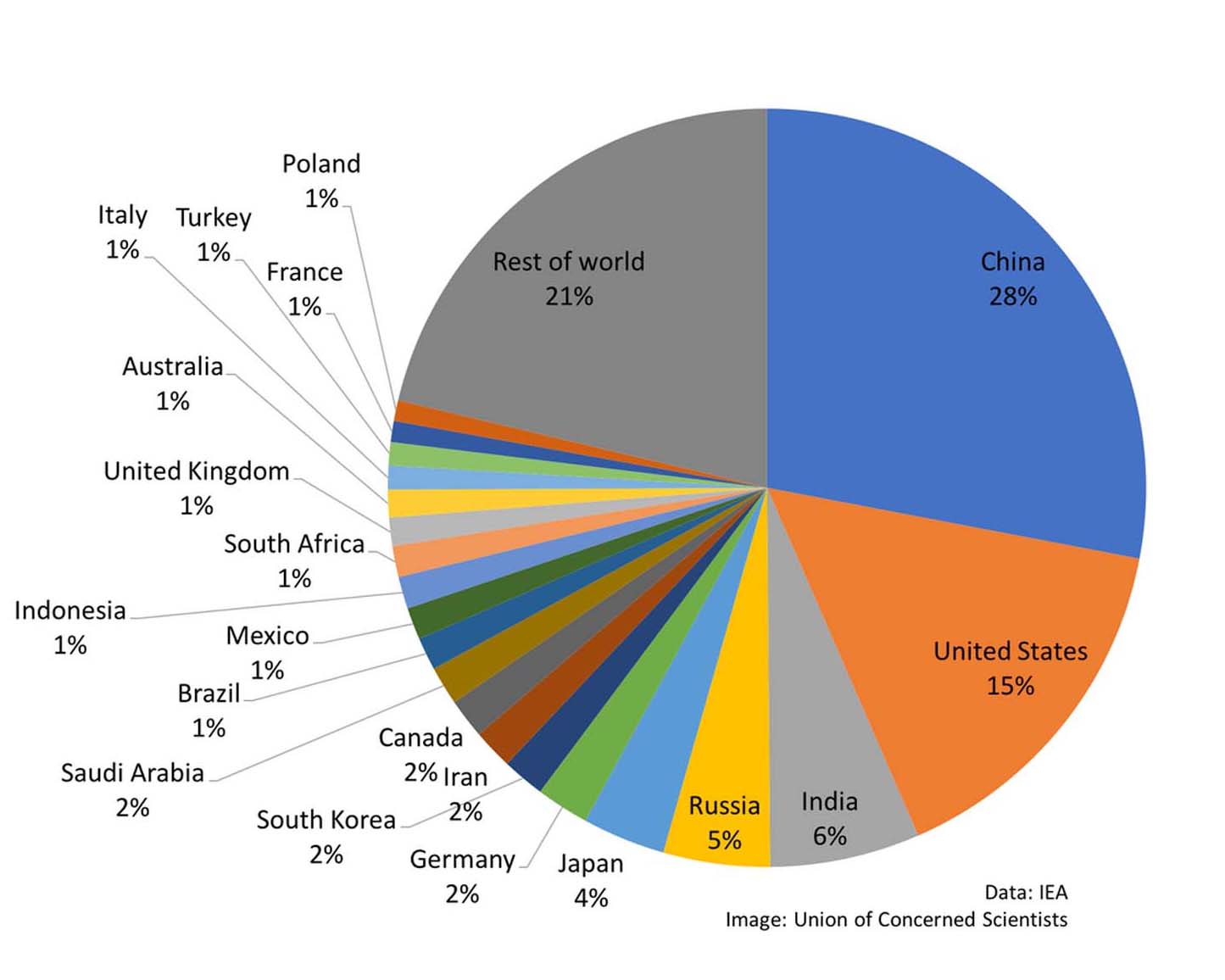
Global warming is here to stay, notwithstanding the introduction of electric cars and efforts to reduce cow farts, while China wonders how Americans could not grasp a Rational Understanding of this issue.
So the epiphany is simply a “reckoning” [ii]… to account for, credit, or impute, financial or legal accounting, signifying God’s judgment, justification by faith. that these things are largely out of my control, allowing me to focus my energies on the satisfaction that comes from carefully articulating and sharing my decades of acquired experience in the form of observations, rather than opinions, suggestions, or recommendations, with anyone willing to read these pages.
Furthermore, like any good theorem, this epiphany has corollaries[iii]… perhaps more to follow.
First Corollary Upon receipt of unsolicited advice from others, I remain under noobligation to accept, act upon, or even acknowledge said advice.
Second Corollary When soliciting the advice of others, I will recognize, as a matter of common courtesy, my obligation to indicate whether or not I intend to act upon said advice, and if not, to provide a rational reason for not doing so. The story of Grandad Shively’s Workbench, for example.
Third Corollary
Potential recipients of unsolicited advice from me are not obligated in any way to acknowledge, accept, or act upon said advice.
Fourth Corollary
Recipients of advice duly solicited from me are not obligated in any way to acknowledge, accept, or act upon said advice, but rejecting said advice in the absence of rational reasoning forfeits their option to seek such advice in the future.
By: Jim Written: April 11, 2024 Published: April 12, 2024 Revised: September 22, 2024 Revised: September 1, 2025 Reader feedback always appreciated
For me, working smarter means learning from history - not from TV and Social Media sites - but rather by reading books and trying to learn what actually happened and why. That is not easy today because modern history books are mostly political propaganda.
Books written before WWII generally contain a lot less of that, but to find the truth means finding books written by authors who don't have their own biases. One of my favorites has always been "The Outline Of History" by H.G. Wells, but I am sure there are other equally credible works to be found.
I am even tempted occasionally to avoid the intrinsic bias of academia by suggesting historical novels by authors like James Michener, or byJared Diamond - a guy trained in biochemistry and physiology instead of DEI or gender studies. That, of course, carries the risk of being misled by the distortions required to make their "story" work.
After reading Diamond's "Guns, Germs, and Steel" for the first time, I recall the violent reviews written by college professors. They couldn't argue with his logic, but they attacked him anyway because they didn't like his conclusions.
Even though Eisenhower was a really nice guy, he turned out to also be an excellent leader, which is often not the case. Carter was an equally nice guy who literally created the misery index with a single term in office. That should offer enough evidence that confusing an election with a popularity contest is a bad idea.
While it is absolutely critical for the future of the Country for both Left and Right to understand each other, for us to expect that anytime soon, in my view, is not in the cards. As long as Republicans think of Democrats as "good people with bad ideas" and Democrats think of Republicans as "bad people", there can be no reconciliation, and I don't see a way to change that, short of a war with a foreign adversary.
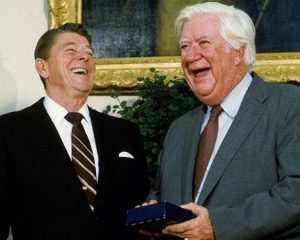
Ronald Reagan and Tip O'Neill were able to do it, and the World is a better place today because of it. It is hard to imagine a similar match-up of talent on the current horizon.