The Political Parties
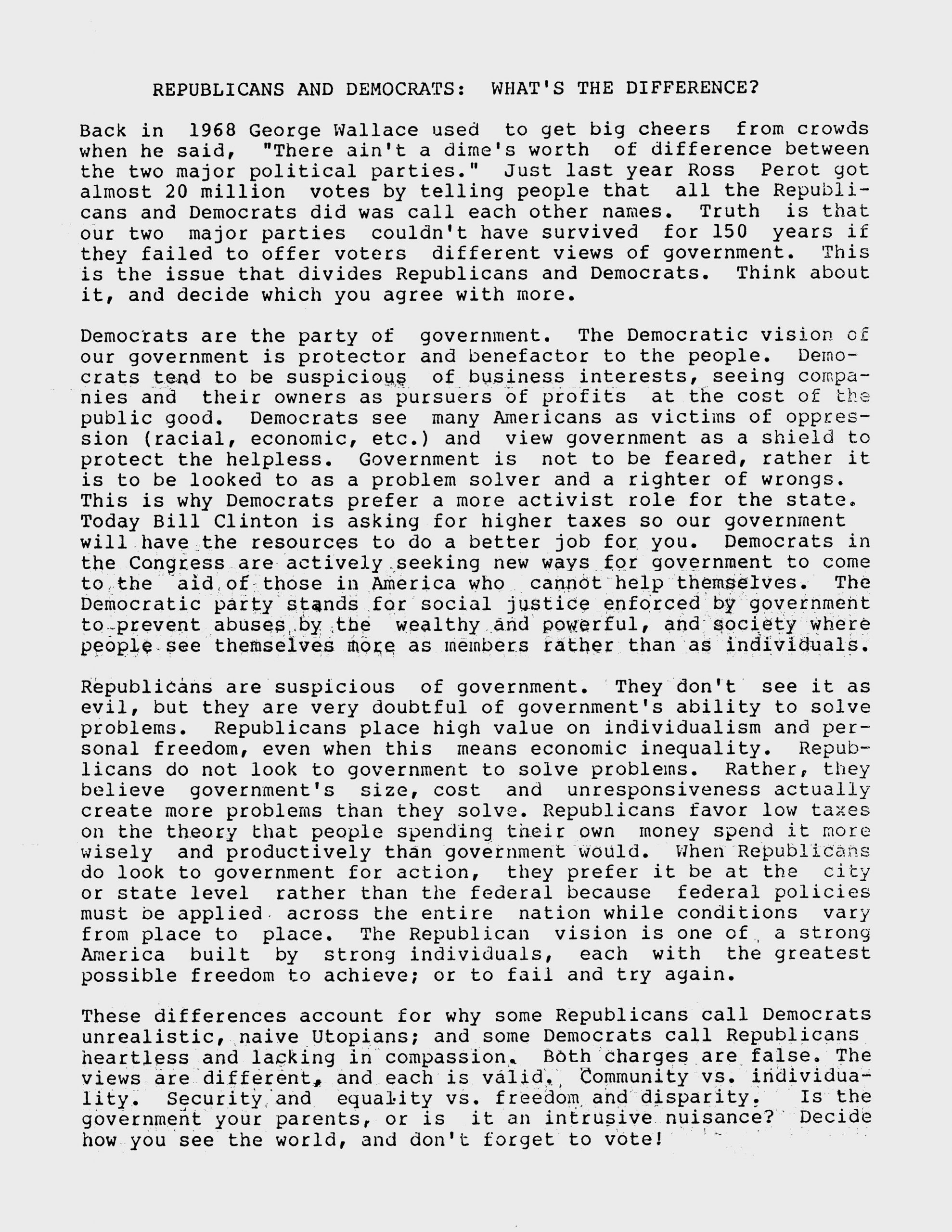
In the introduction to the Politics section, I mentioned a short summary of the differences between the parties. It was written decades ago by Charlie Freedman of KSCO. Charlie has a degree in Political History or political something-or-other from U.C. Santa Cruz, but somehow he managed to survive that to become a staunch Republican in that sea of “Lib-rallism” we call Santa Cruz. Charlie’s essay can be summarized as follows.
-
- Democrats embrace government and Republicans suspect it.
- Republicans view Democrats as unrealistic and naive.
- Democrats view Republicans as heartless and uncaring.
- So the question eventually comes down to a choice between;
In other words, shall we view the government as a beloved “surrogate third parent” or as a “necessary nuisance” ? There are good arguments to be made on each side, but personally, it would be hard for me to forget everything I have learned through engineering school, business school, a half-century of industry experience, and 80 years of observing how the World works to give Marxism another try after so many consecutive failures, spanning the past couple hundred years. On the other hand, that is an option that respectable people like Bernie Sanders and others are wedded to, and I can respect that point of view.
Much of the difficulty preventing the Parties from finding reasonable compromise around these extremes is not in the underlying theories but in the manner in which they are argued. A few years ago, while waiting in a restaurant for colleagues who had been delayed in traffic, I could not avoid overhearing the conversation at the next table. One person was citing examples of how certain ideas had worked and others had failed for governments in the past; and how, in her view, some of those ideas should be either deploid or avoided today, based on past experience. The other was countering with examples of how some people don’t pay their “fair share” of taxes and how CEOs of evil corporations earned 100 times what “workers” were paid. It was clear that the Conservative lady was focused on good vs bad ideas, and the “Lib-rall” [i]As the lexis of language evolves, sometimes words come to be interpreted as the opposite of their original meaning, inviting a need for new words. lady was focused on good vs bad people. To be more precise, one was advocating ideas to make the Country more prosperous with the “rising tide lifts all boats” theory, while the other was focused on a “God-given” right to share the Country’s wealth equally – and RIGHT NOW.
I remember thinking at the time that neither could ever win the debate because neither was listening. It is clear to me that the principal reason the two Parties cannot agree on almost anything goes to the roots of their philosophical differences. As Charles Krauthammer put it, Conservatives see “Lib-ralls” as having “bad ideas” and “Lib-ralls” see Conservatives as being “bad people” [ii]This long-standing but rarely articulated concept was made legendary by the infamous Hillary Clinton “deplorables” quote of 2016.. Allow me a to share a couple of examples – feel free to substitute your favorite politician’s names.
- Jack says to Jill,
- “I think going up that hill is a bad idea”,
- “The Hill is really steep”,
- “We don’t need the water”,
- “I could fall and break my crown”,
- “You could come tumbling after.”
- “I think going up that hill is a bad idea”,
- Jill responds,
- “I can’t have water because I’m black,
- “You’re just a racist”,
- Donald says,
- “We should secure the border”,
- “Illegal aliens depress wages”,
- “They bring drugs and disease”,
- “The law needs to be changed.”
- “We should secure the border”,
- Nancy replies,
- “You’re just greedy and don’t care”,
- “You lack compassion for poor people”,
- “You’re a racist”.
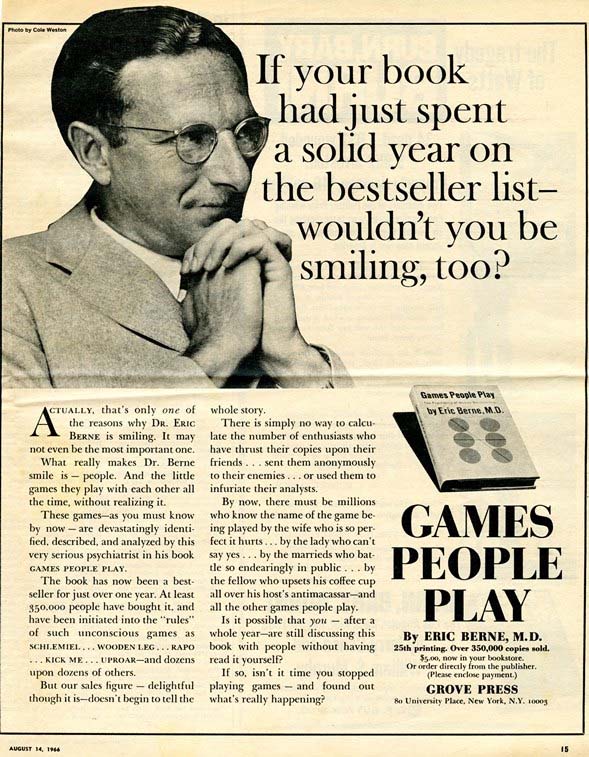
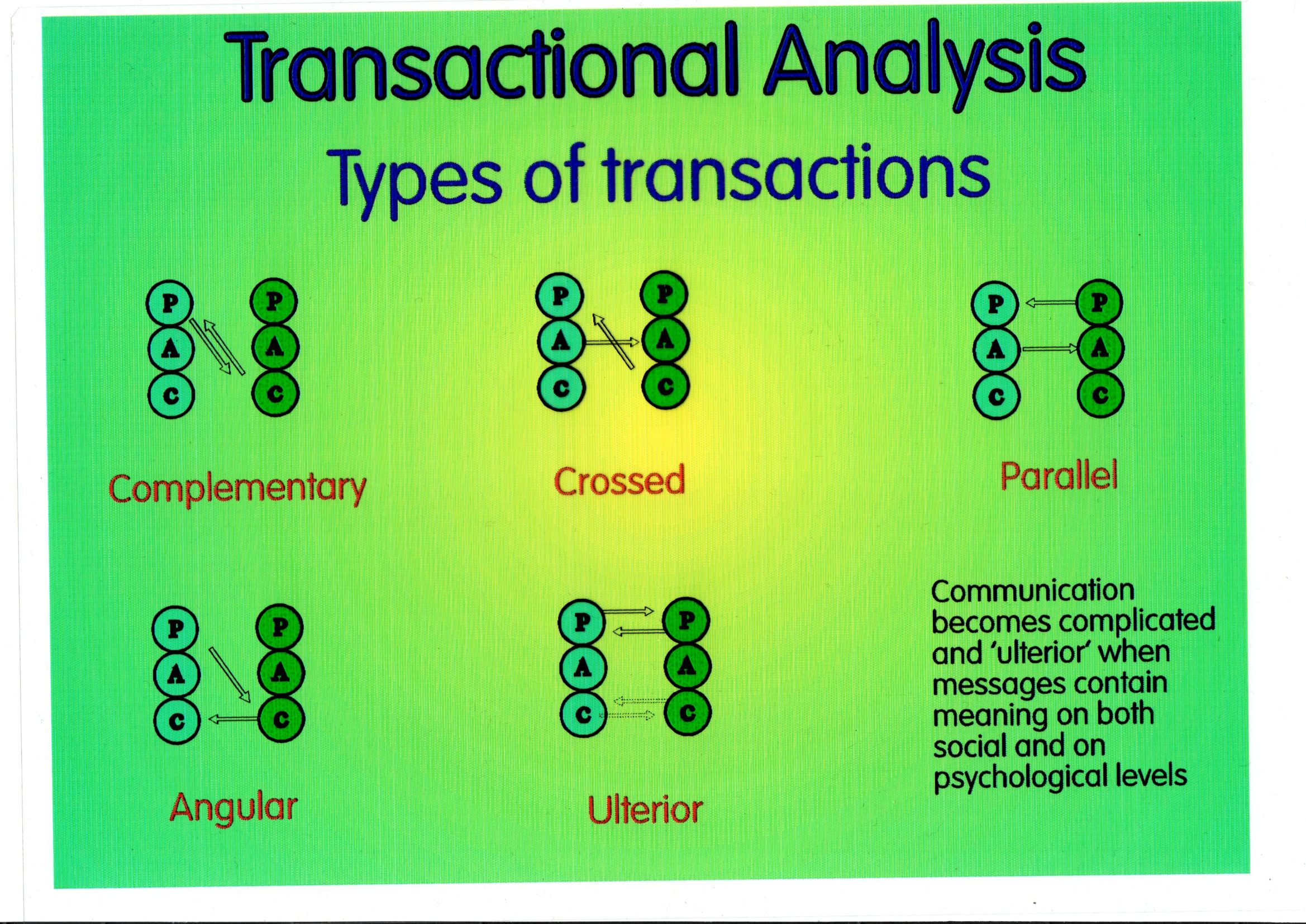
To quote Eric Berne , in both examples, an “Adult” addresses another “presumed Adult” with a set of rational arguments – not necessarily 100% applicable, but all factual and valid points of view. In both examples, the respondent assumes the role of “Parent” speaking to “Child”.
In other words, the “Adult” addresses the problem, and the “Parent” addresses the person, not unlike countless examples offered by the aforementioned Berne, in the 1950s, which he called Transactional Analysis . His words, “I’m Ok – You’re Ok”, have stood the test of time for a half-century.
By: Jim
Written: May 2021
Published: May 2021
Revised: July 2021
Revised: October 2024 (wordsmithing only)
Reader feedback always appreciated[iii]… thoughtful commentary perhaps more so than shallow thoughts
footnotes
| ↑i | As the lexis of language evolves, sometimes words come to be interpreted as the opposite of their original meaning, inviting a need for new words. |
|---|---|
| ↑ii | This long-standing but rarely articulated concept was made legendary by the infamous Hillary Clinton “deplorables” quote of 2016. |
| ↑iii | … thoughtful commentary perhaps more so than shallow thoughts |